
With its rich Talayotic culture and historical monuments, Menorca is an open-air museum that allows you to immerse yourself in its history. Discover the secrets of the past on this Mediterranean island.
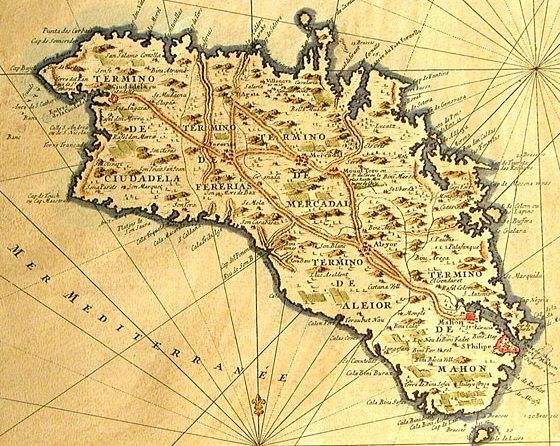
History of Menorca
Menorca, due to its strategic location in the center of the Mediterranean, has been a meeting point for various cultures that, since prehistoric times, have found refuge and a port of call on the island. The footprint of these civilizations is undeniable and is scattered throughout the Menorcan territory, turning it into an open-air museum for those who wish to explore its past.
The Talayotic Culture
The most emblematic legacy of Menorca’s prehistoric era is its Talayotic culture, whose remains include the imposing “taules,” unique megalithic structures in the world that served as ceremonial centers.

The megalithic tombs, known as “navetas,” are another striking testimony of ancient funerary practices, built with large stone blocks in the shape of an inverted ship. Also noteworthy are the “talaiots,” watchtowers that dominate the Menorcan landscape and offer a glimpse into the defensive architecture of the time.
The prehistoric villages, such as Trepucó or Torre d’en Galmés, reveal how these ancient cultures lived and their advanced social organization. These settlements, with their dwellings and common spaces, show a well-structured community connected to its environment.
Conquests and Dominions
The history of Menorca has been forged through the conquests and rules of various cultures over the centuries. Romans, Arabs, the Crown of Aragon, the Kingdom of Mallorca, Barbary pirates, the British, and the French all left their mark on the island, creating a unique heritage and cultural legacy.
From the narrow medieval streets of Ciutadella, which evoke a past of knights and walls, to the British military architecture of Mahón, reflecting its strategic importance during British rule, Menorca offers a fascinating journey through time.

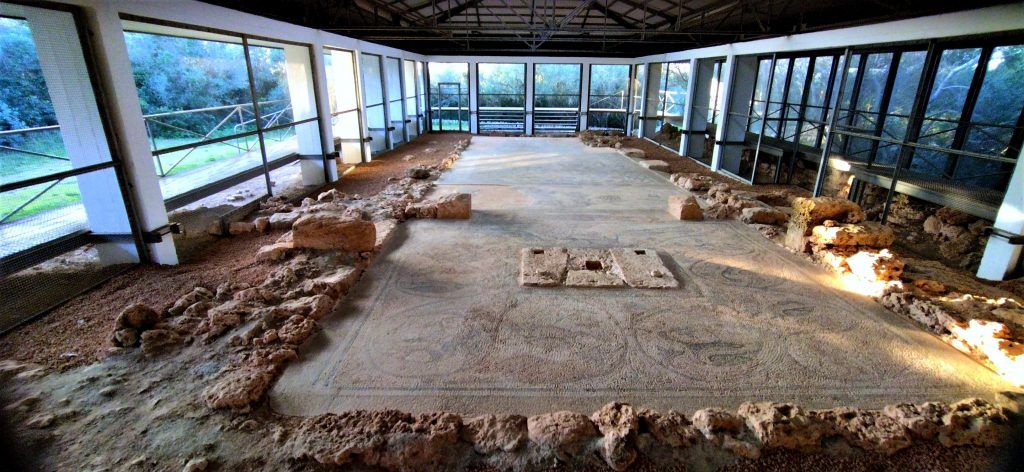
The island preserves Roman remains, such as those found in cities like Mahón, Ciutadella, or the port of sa Sanitja. Islamic architecture can be seen in ancient mosques, manor houses, and at the castle of Santa Águeda. British influence, for its part, is reflected in the elegance of Georgian architecture and in imposing fortresses like the castle of San Felipe, Fort Marlborough, and the defense towers that surround the island. Finally, the French heritage is perceived in the urban planning of some areas and villages, such as Sant Lluís.
A Protected Legacy
Menorca has not only preserved all these monuments, but has also maintained a firm commitment to environmental conservation and sustainable tourism. Furthermore, the island has been declared a World Heritage Site by UNESCO, underscoring its historical and cultural importance on a global level. The combination of history, culture, and nature makes Menorca a unique destination for lovers of archaeology and history.
More articles on history
The Talayotic era
History of Alaior
History of Fornells
History of Es Mercadal
History of Sant Lluís
History of Es Migjorn Gran
History of Es Castell (Villacarlos)
History of the Mahón Market
Museums of Menorca
Image Gallery




Menorca is an open-air museum that invites you to discover every chapter of its fascinating history. A journey through its monuments, villages, and traditions will transport you to different eras, allowing you to understand the essence of this unique island that you cannot miss.


