
Menorca was declared a World Heritage Site by UNESCO’s MAB committee in 1982, and was also incorporated into the World Network of Unique Places as a Biosphere Reserve.

Marine Reserve
In June 2019, UNESCO approved the expansion of the Biosphere Reserve towards the sea; thus, the surface area has increased from 70,000 to 500,000 hectares, becoming the largest marine reserve in the Mediterranean. View Marine Reserve Map.
Natural Areas of Special Interest
The Natural Areas of Special Interest (ANEI) reflect Menorca’s commitment as a Biosphere Reserve, guaranteeing the conservation of unique ecosystems, both terrestrial and marine.
These wild spaces, integrated into the Natura 2000 Network, include cliffs, wetlands, and other protected environments that serve as a refuge for numerous species of flora and fauna, preserving exceptional biodiversity.
Their protection is a priority according to European, state, and regional regulations, which requires promoting sustainable tourism that is respectful of the environment.
A prominent example is the S’Albufera des Grau Natural Park, an important wetland that is not only a protected space but also a privileged location for birdwatching.
Starlight Reserve
Since 2019, the island has also been part of the Starlight Reserve due to the high light quality for astronomical observation, allowing visitors to enjoy starry skies and clear nights.
Natural Resources
Take care of Menorca as if it were your own home: You are on an island that has been declared a Biosphere Reserve for its natural wealth and ecological diversity.
Water: Water is a vital and scarce resource in Menorca.
Energy: Adjust your speed and vehicle use to the characteristics of our roads.
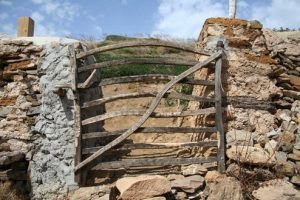
Natural and agricultural spaces: If you find closed gates, leave them as they were to prevent livestock from escaping.
Flora and fauna: Respect local flora and fauna. Do not pick plants or interfere with animals in their natural habitat.
Waste and Water Treatment
Do not leave trash in natural spaces. Use the provided bins and contribute to keeping the environment clean and free of pollution. Recycling is very easy!

♻ Green bin:
For glass bottles and jars.
♻ Blue bin:
For magazines, newspapers, paper, cardboard, etc.
♻ Yellow igloo:
For all types of plastic packaging, cartons (brics), and cans.
♻ Organic bin:
For organic remains. These are used to produce compost.
Water treatment: Ensure that wastewater is treated properly. Use purification systems and avoid pouring chemical products into the natural environment to protect the quality of water resources.
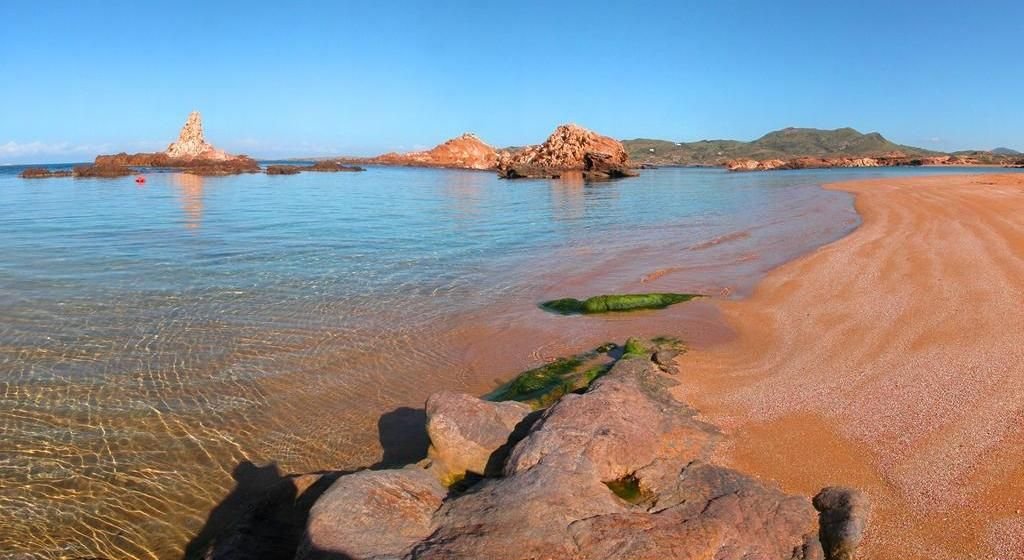
Tips and recommendations for enjoying the beach to the fullest

Heritage conservation
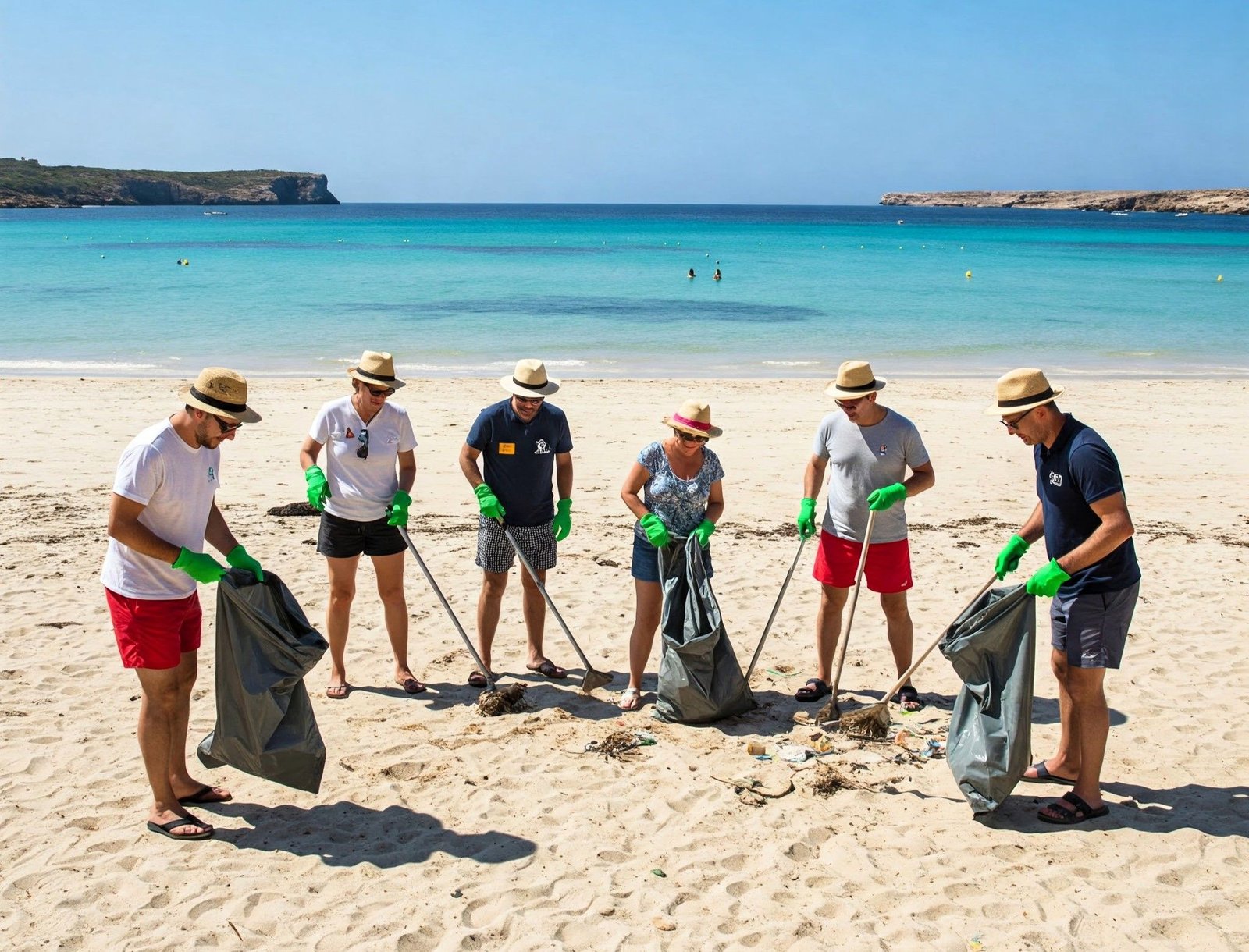
Get involved too!
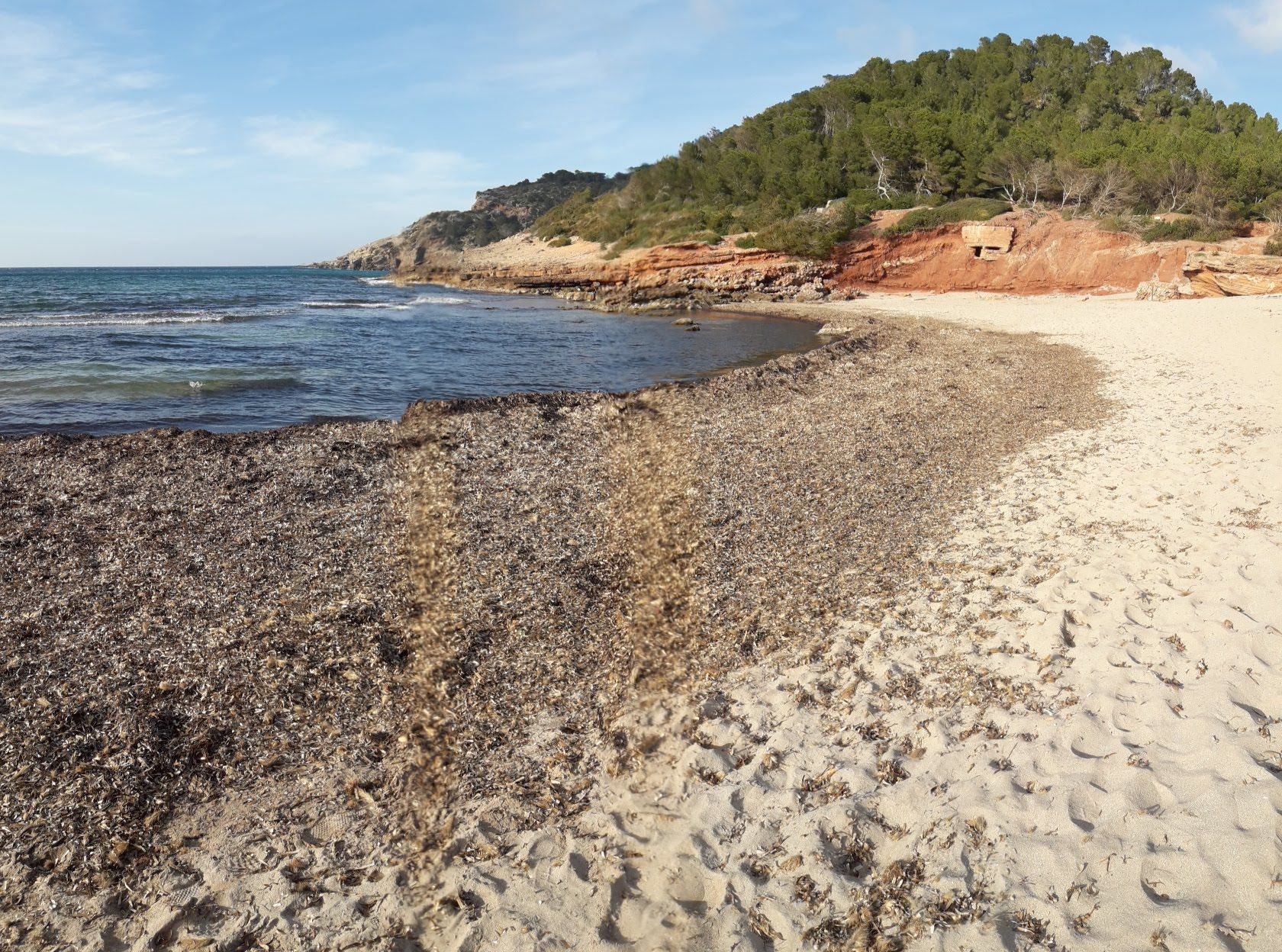
Do you know what Posidonia is?

Clean beaches
Video: Report on the reserve
📺 The Green Beetle | Stone or cement | RTVE


